Plantar Fasciitis Treatment Perth

Plantar Fasciitis Physio in Perth

Plantar fasciitis is one of the most common causes of heel pain, often felt as a sharp discomfort when you first get out of bed in the morning or after long periods of standing. Left untreated, it can severely impact daily activities, exercise, and overall mobility.

What Is Plantar Fasciitis?

Plantar fasciitis occurs when the thick band of tissue (the plantar fascia) that runs along the bottom of your foot becomes irritated or inflamed. This tissue supports the arch of your foot and absorbs shock when walking.

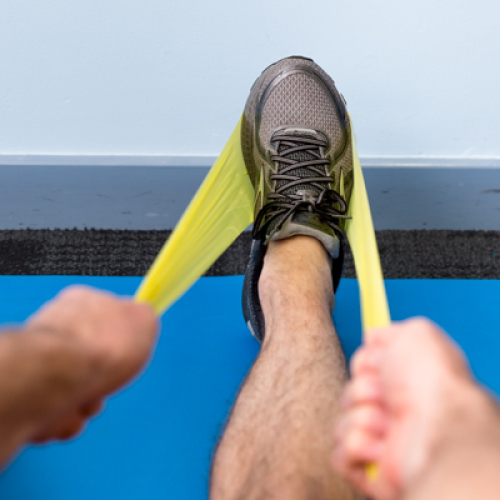
Ankle Plantarflexion Theraband

How Physiotherapy Helps Plantar Fasciitis

Our physiotherapists use a combination of treatments to relieve heel pain and speed up recovery:

  • Manual therapy: Soft tissue release and joint mobilisation to reduce tension.
  • Exercise therapy: Targeted stretching and strengthening for calves, arches, and foot stability.
  • Taping and strapping: To offload the plantar fascia and support the arch.
  • Shockwave therapy (if applicable): Stimulates healing in chronic cases.
  • Footwear advice: Guidance on supportive shoes and insoles.
  • Education & prevention: Strategies to stop heel pain from returning.
Physiotherapist using shockwave therapy machine

Common Causes of Plantar Fasciitis

Several factors can contribute to plantar fasciitis, including:

  • Overuse from running or long-distance walking
  • Sudden increase in physical activity
  • Flat feet or very high arches
  • Poor footwear with little arch support
  • Prolonged standing on hard surfaces
  • Tight calf muscles or Achilles tendon

Symptoms of Plantar Fasciitis

The hallmark symptom is sharp heel pain, but you may also experience:

  • Pain when taking your first steps in the morning
  • Heel discomfort after sitting for long periods
  • Pain that worsens after exercise (not during)
  • Stiffness or tenderness in the heel or arch
  • Swelling around the heel

Why Choose Physio Pro for Heel Pain?

At Physio Pro, we understand how frustrating persistent heel pain can be. Our team takes the time to properly assess your condition and provide a treatment plan tailored to you.

  • Two Perth locations: Floreat and Como clinics for easy access.
  • Hands-on treatment: Evidence-based techniques to relieve pain quickly.
  • Personalised care: Every plan is designed for your activity level and goals.
  • Focus on prevention: We help you stay pain-free long term.
Physio Pro floreat staff team photo

Meet Our Team

Olivia Purnell

Olivia Purnell

Physiotherapist

Robert Harper

Robert Harper

Physiotherapist

Kim O’Leary

Kim O’Leary

Physiotherapist

Sean Sargent

Sean Sargent

Physiotherapist

Chris Osborn

Chris Osborn

Physiotherapist

Check Out Our Perth Physio Clinics

FAQS

No. Heel spurs are bony growths that may appear with plantar fasciitis but are not always the cause of pain.


Not always. Supportive footwear and physiotherapy are often enough, but orthotics may help in certain cases.


Complete rest isn’t recommended. Gentle, guided activity and stretching help speed recovery, while avoiding high-impact exercise during flare-ups.

With proper physiotherapy, most people improve within 6–12 weeks. Chronic cases may take longer but respond well to consistent care.